Color Sensor RGB Unit
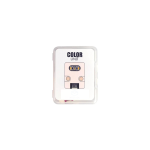
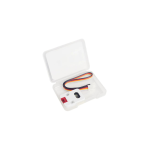
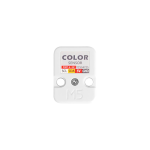
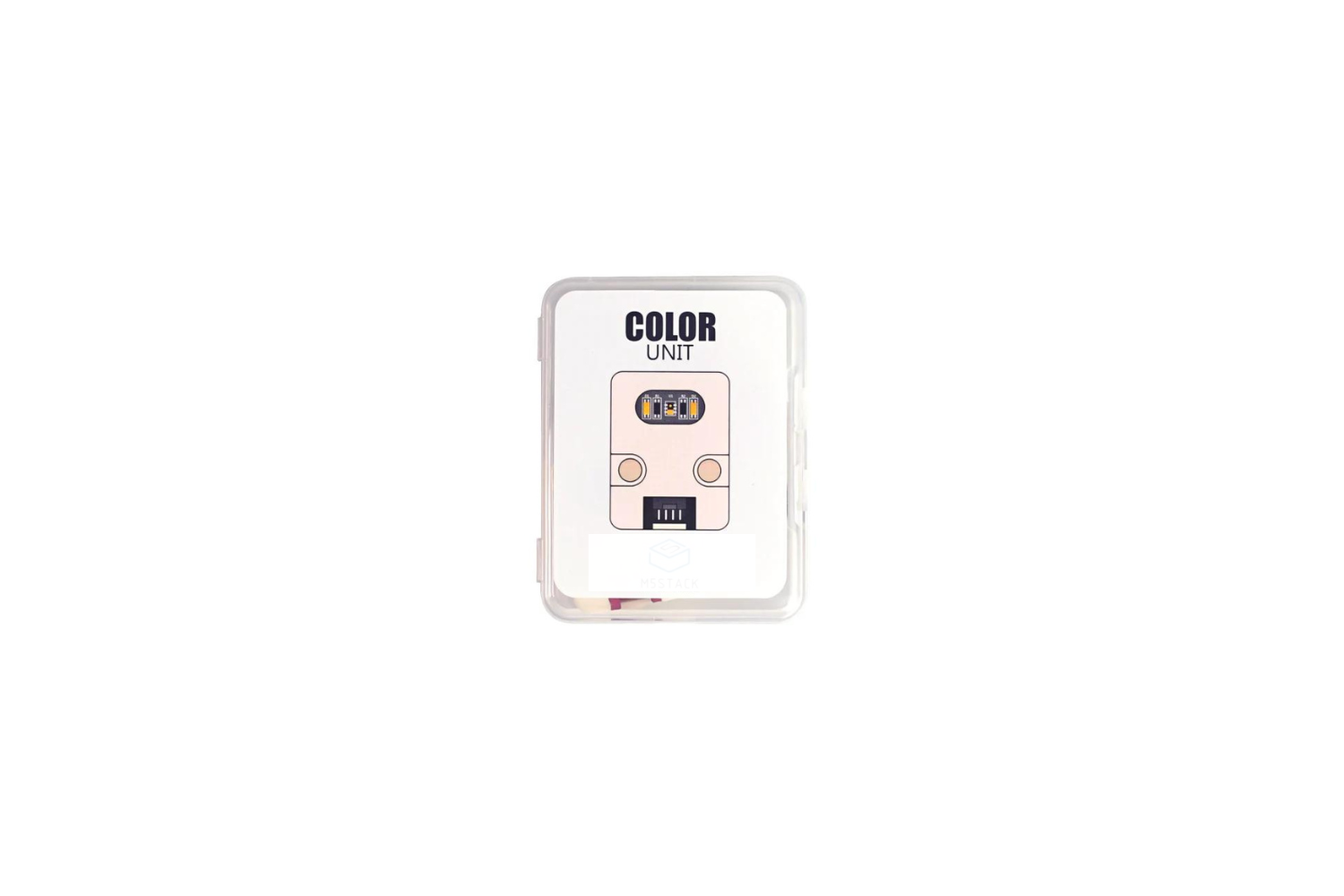
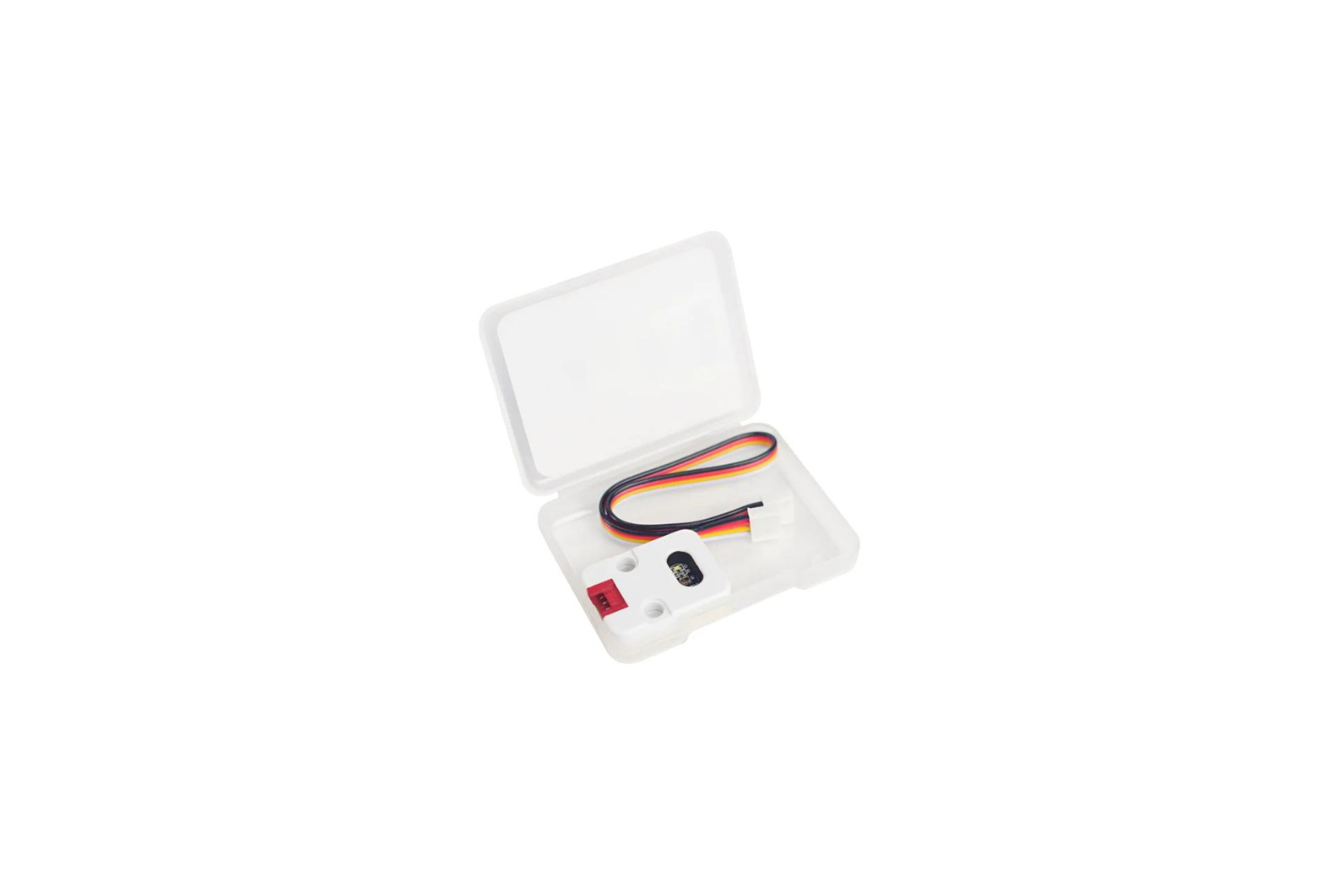
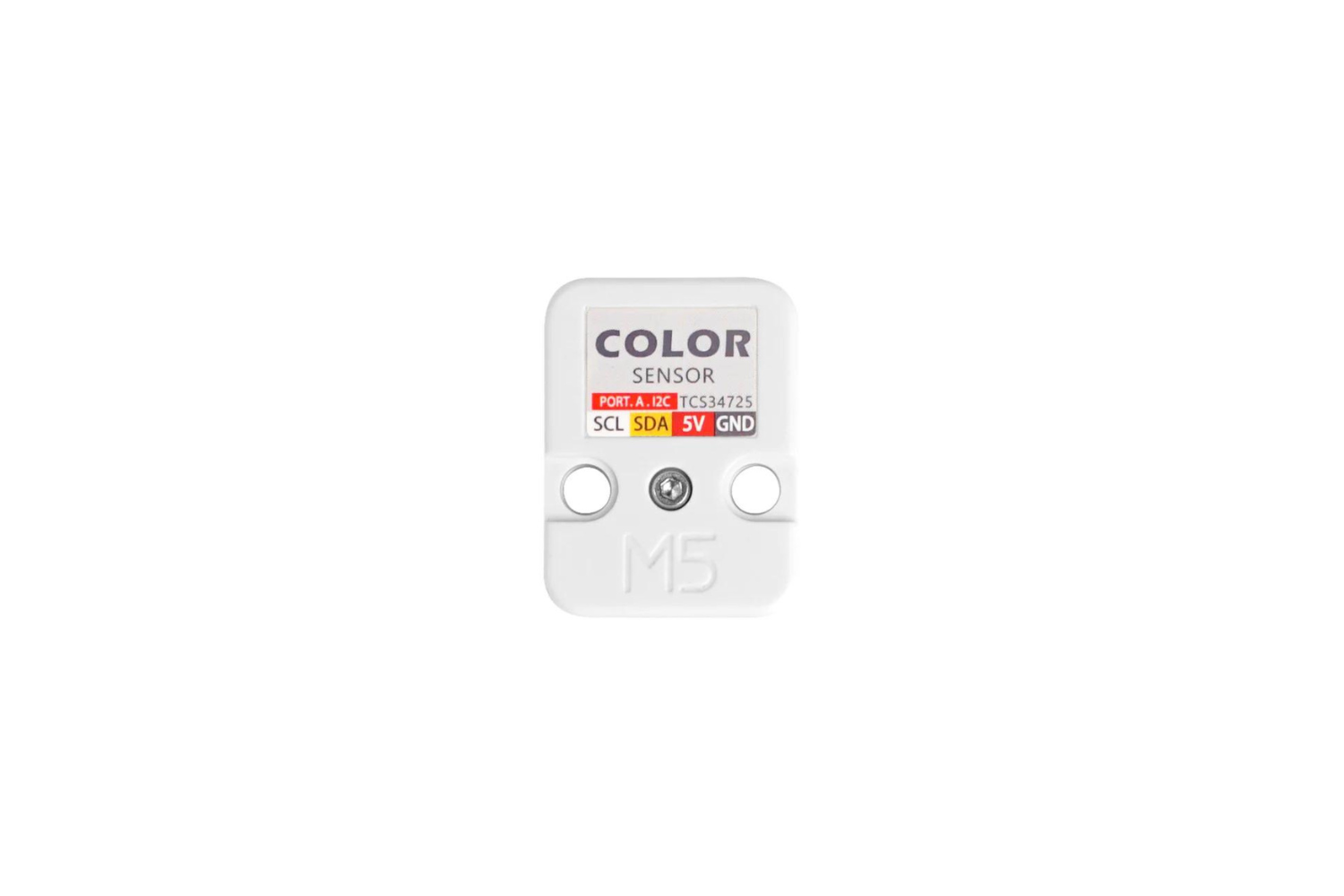
MC 4.0 Color Sensor RGB Unit: The Color Sensor RGB Unit is a practical tool used to identify and measure a range of visible colors. It works by using the TCS3200 RGB sensor chip, which turns light intensity into square wave frequencies that a microcontroller can process. This sensor has an 8×8 grid of photodiodes, […]
Maker & Coder Subscriber? Login to get your discount
MC 4.0 Color Sensor RGB Unit:
The Color Sensor RGB Unit is a practical tool used to identify and measure a range of visible colors. It works by using the TCS3200 RGB sensor chip, which turns light intensity into square wave frequencies that a microcontroller can process.
This sensor has an 8×8 grid of photodiodes, with 16 photodiodes each dedicated to red, green, blue, and clear light. The sensor uses built-in white LEDs to light up objects making sure the lighting stays steady for better accuracy. The module’s output frequency matches the light intensity, which helps detect and measure colors with precision.
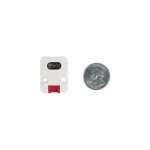
Running on a voltage between 2.7V and 5.5V, the Color Sensor RGB Unit works with many microcontrollers like Arduino, ESP32, and MCLab. Its small size and efficient energy use suit it well to tasks like color sorting or detecting ambient light.
You can rely on the Color Sensor RGB Unit for projects such as building a color-sorting machine, creating a color picker, or measuring light in your environment. Its precision and dependability help you achieve accurate results.
Benefits of the kit
- Accurately detects and measures colors using the TCS3200 RGB sensor chip
- Built-in white LEDs ensure consistent lighting for precise color measurement
- Works with Arduino, ESP32, and MC4.0 (MCLab/UIFlow) for easy integration
- Compact and energy-efficient, ideal for color sorting, color tracking, and ambient light measurement
- Holes allow easy mounting in educational kits and robotics projects
- Suitable for STEAM education, robotics competitions, and DIY electronics projects
- Enables projects like color verification, color-picker devices, and automated color-sorting machines
- Provides reliable and repeatable results in various lighting conditions
Product Features
- Detection range: -40℃~85℃
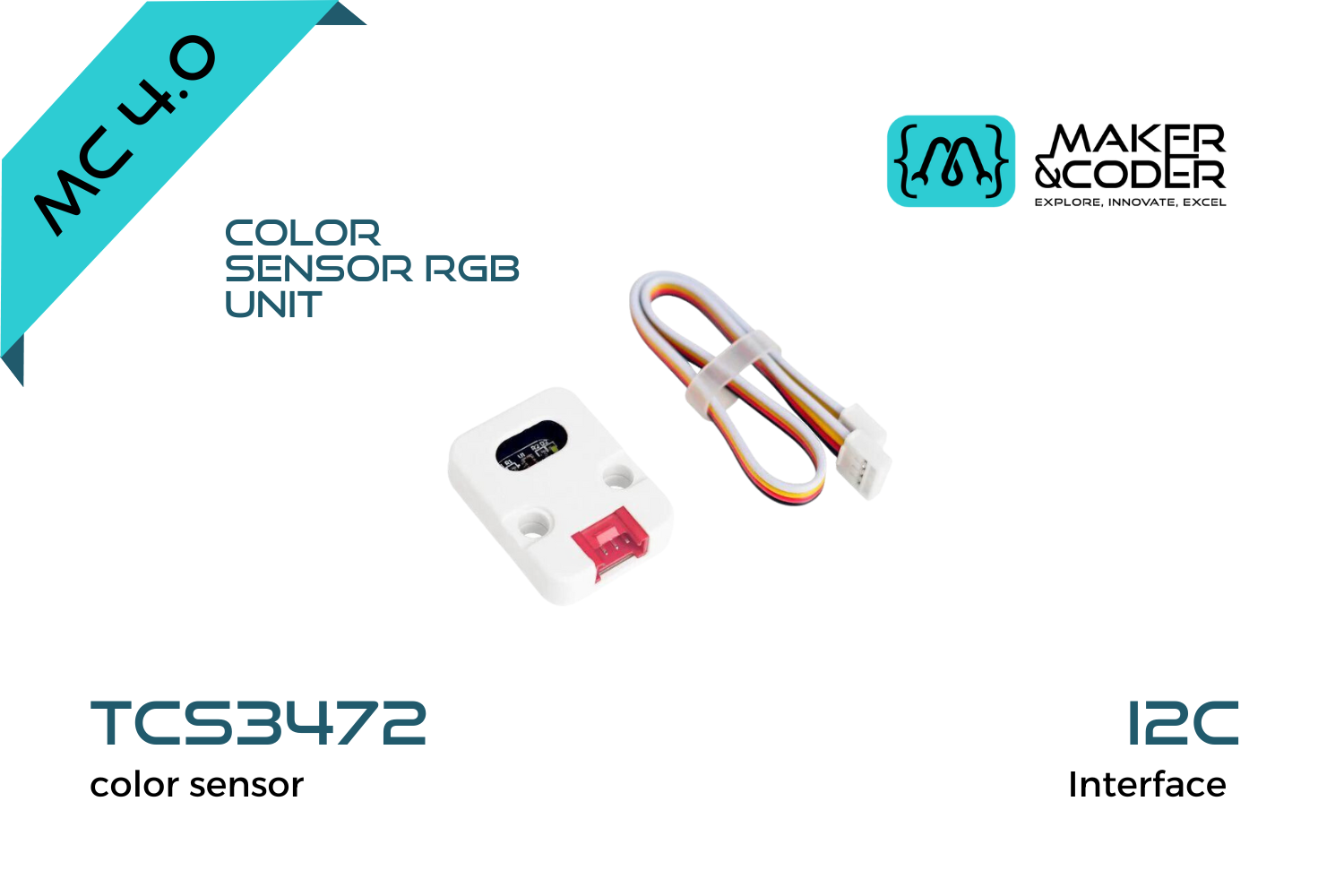
- GROVE interface, support UIFlow and Arduino
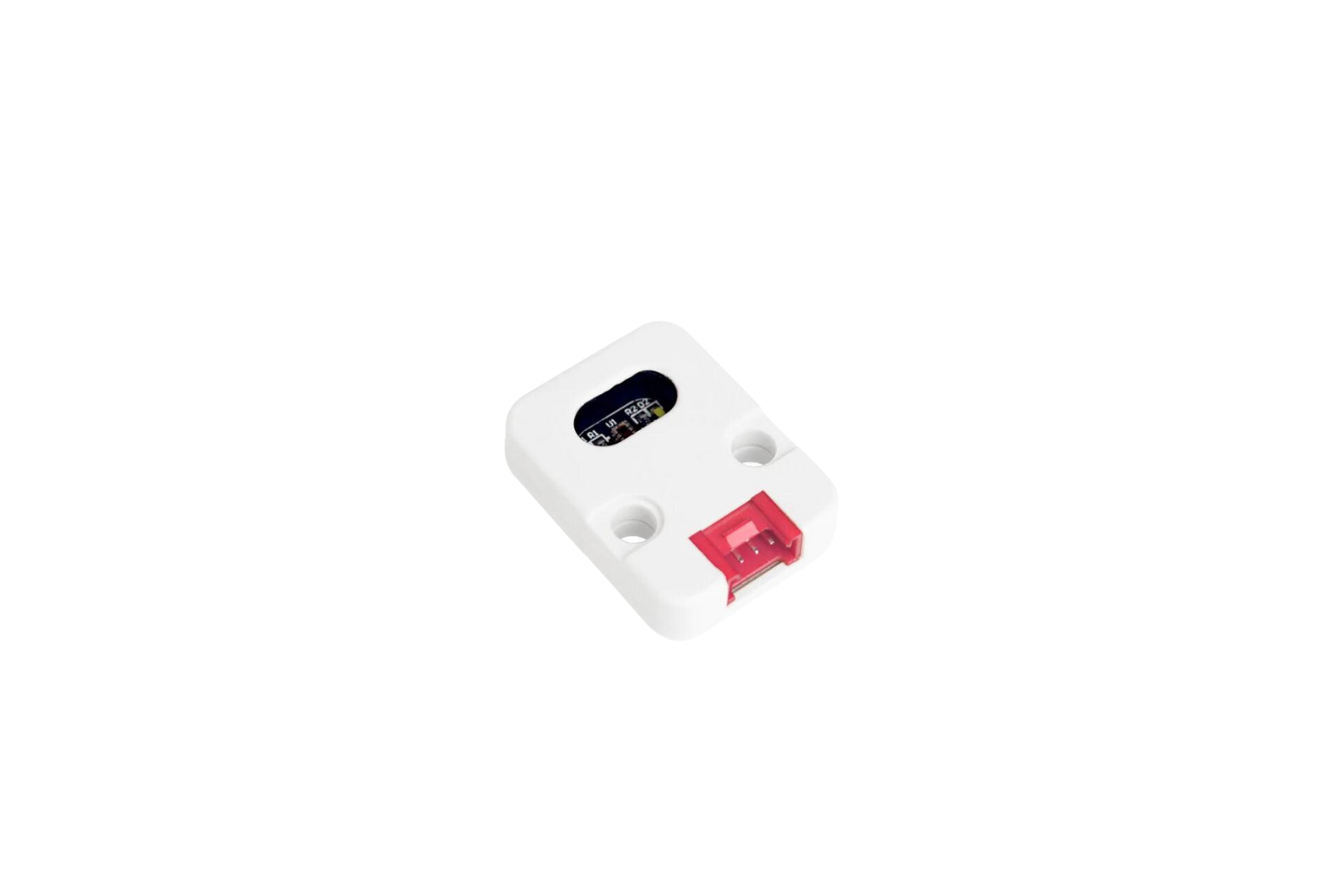
- Two Lego-compatible holes
Applications
- Product Color Verification
- Color tracking robot
Specifications
| IC | TCS3472 |
| Working temperature range | -40°C~85°C |
| Communication protocol | I2C:0x29 |
| Net weight | 4g |
| Gross weight | 17g |
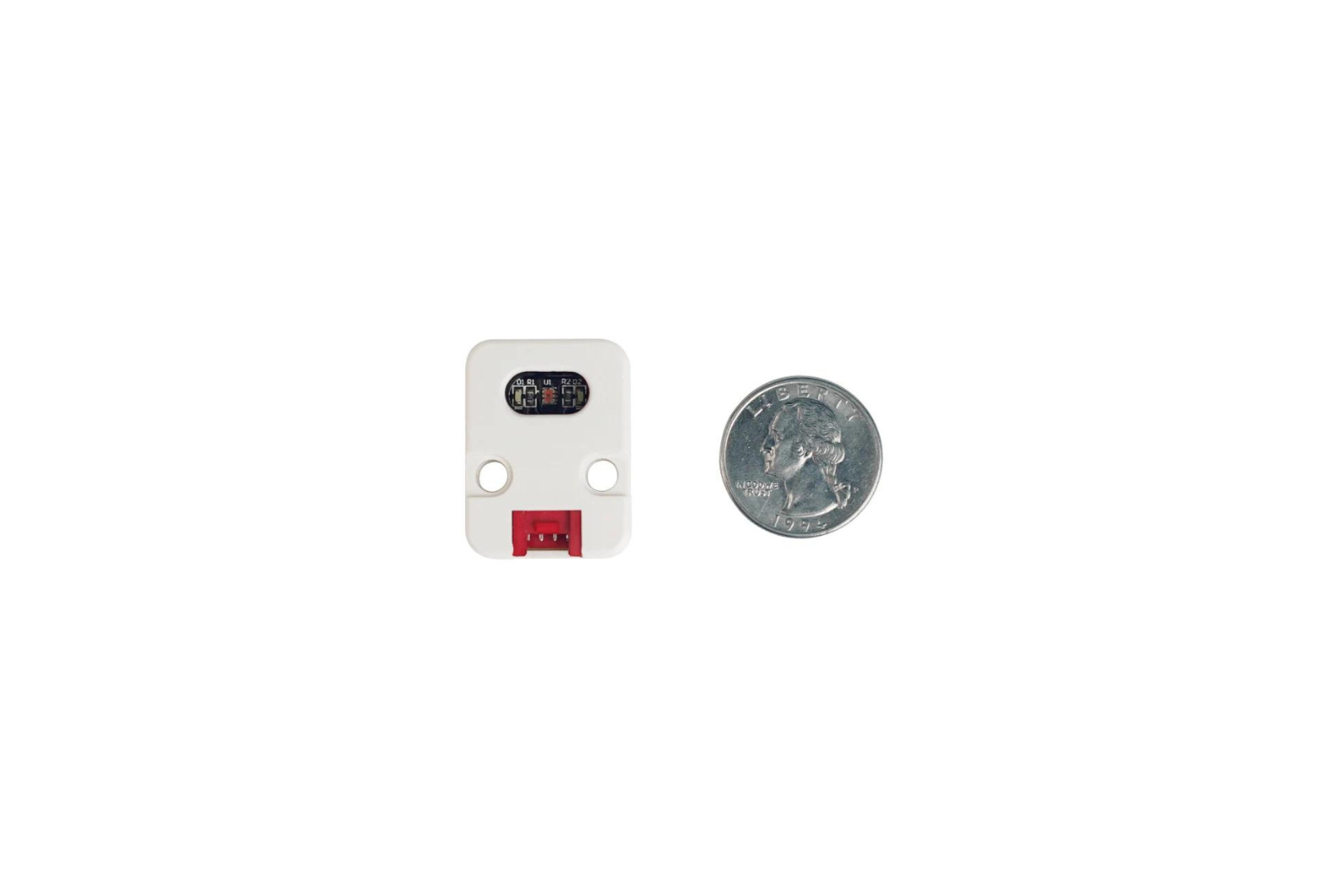
| Product Size | 32.2*24.2*8.2mm |
Frequently Asked Questions