Microphone Sensor
Product Description The Microphone Sensor Module detects surrounding sounds and turns them into electrical signals you can use. You can build voice-activated controls, noise detectors, or audio-triggered circuits with it. This sensor gives you two types of output—analog and digital—so you can use it in different ways. Inside the module, there’s either an electret or […]
Maker & Coder Subscriber? Login to get your discount
Product Description
The Microphone Sensor Module detects surrounding sounds and turns them into electrical signals you can use. You can build voice-activated controls, noise detectors, or audio-triggered circuits with it. This sensor gives you two types of output—analog and digital—so you can use it in different ways.
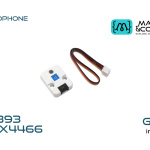
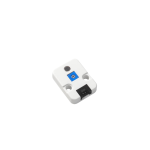
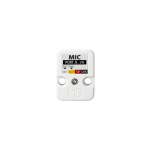
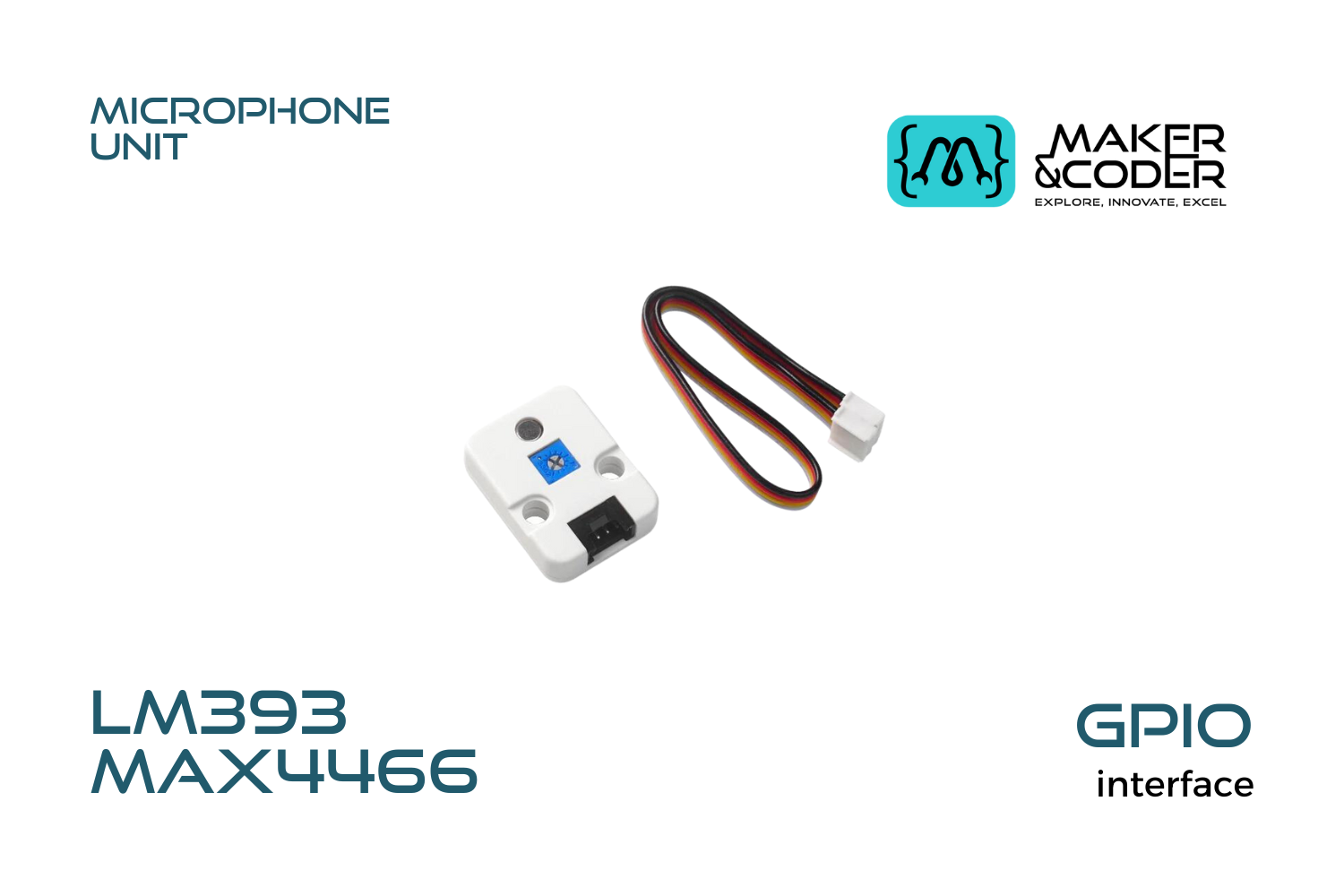
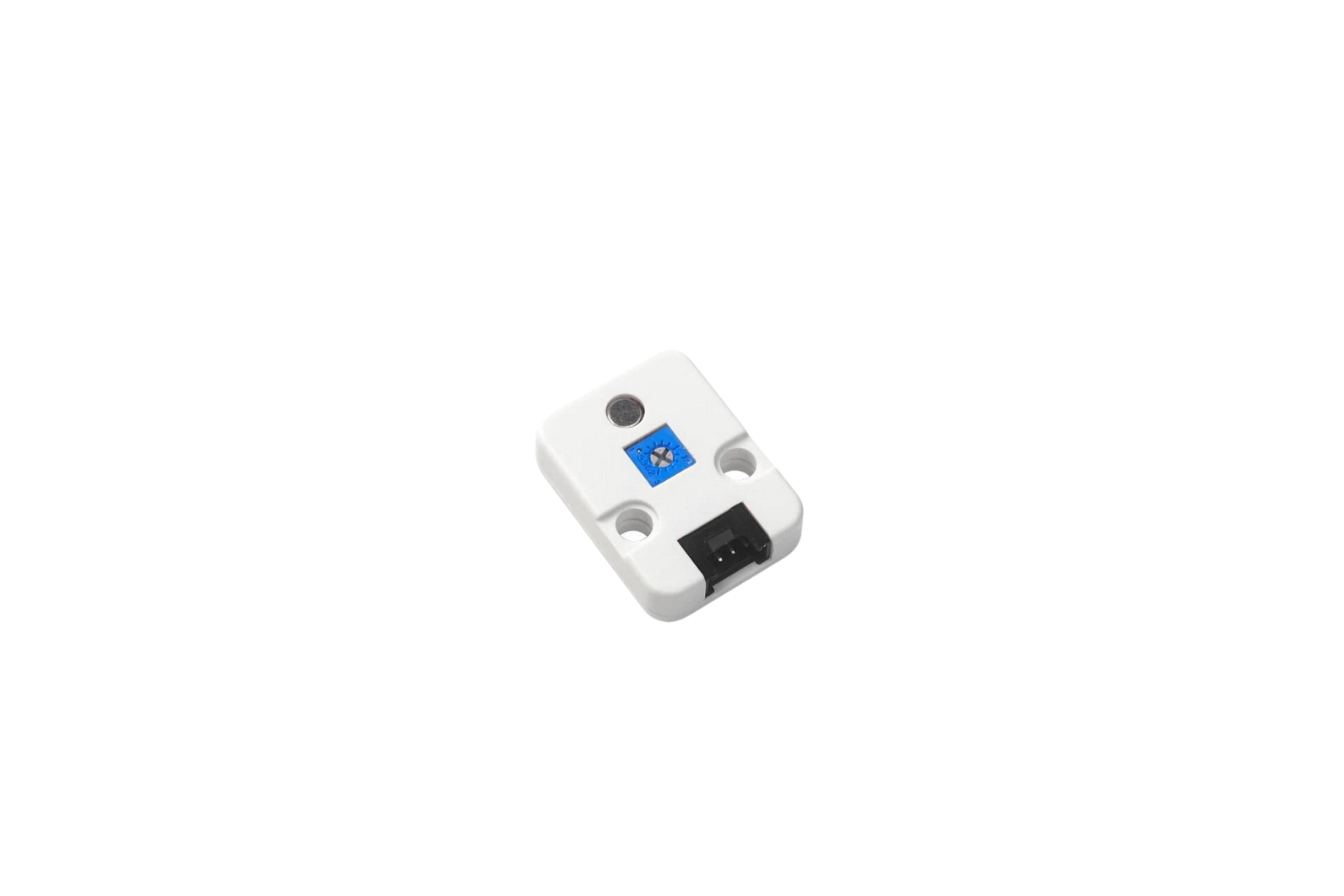
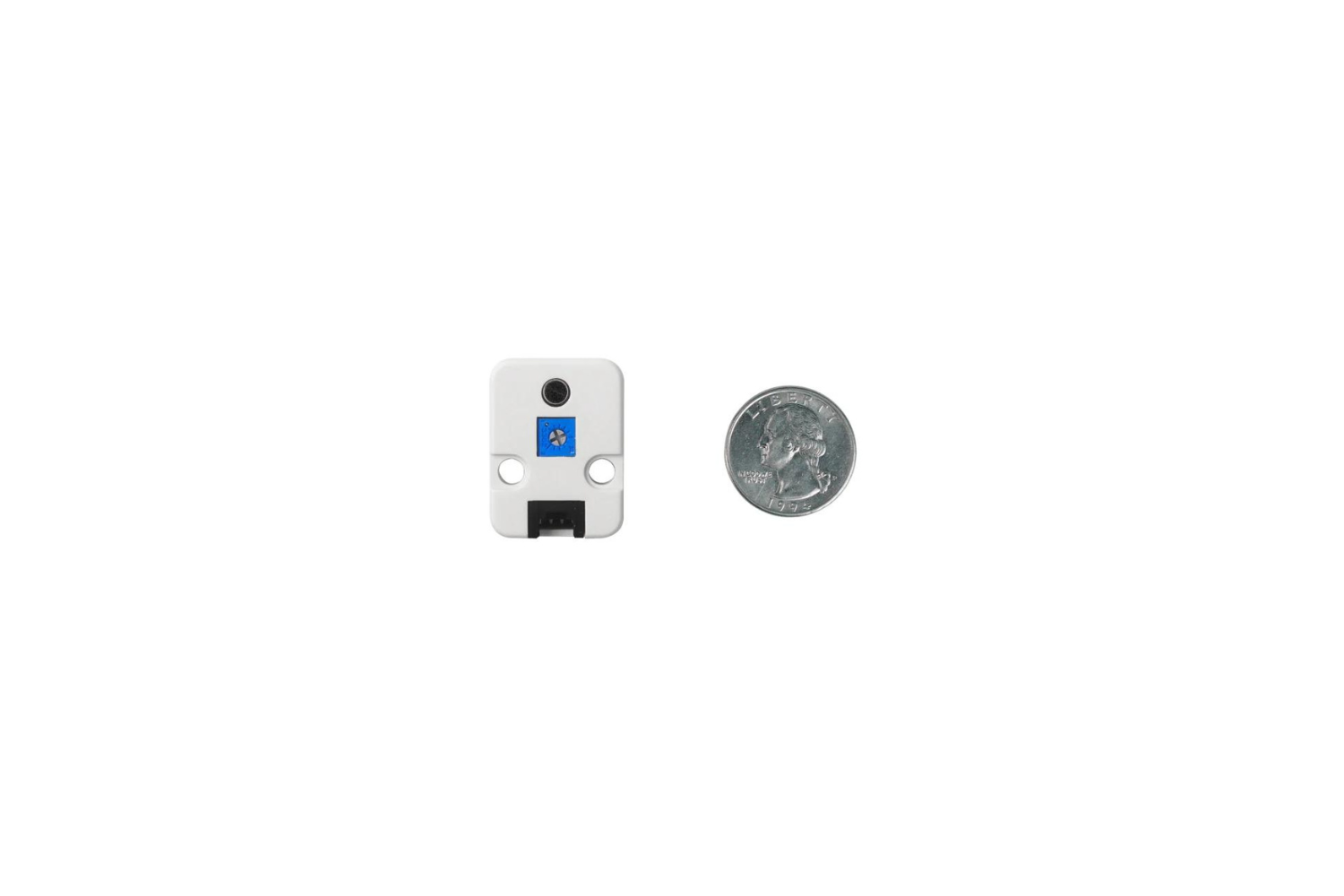
Inside the module, there’s either an electret or MEMS microphone and an amplifier. The analog output measures sound intensity as voltage in real time. The digital output switches to high when sound goes over a preset limit, which you adjust with a small knob on the module. This setup lets you either track sound levels all the time or react when noise gets too loud.
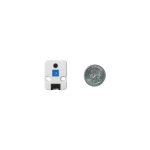
The microphone sensor module works with 3.3V to 5V and connects to microcontrollers like Arduino ESP32, and Raspberry Pi using ADC or other boards. Its small design and low energy use make it a good fit to install in portable or stationary setups.
You can use it in setups like lights that react to claps or music beats, sound-triggered security tracking noise levels, controlling gestures with sound, or even creating interactive art. The sensor has adjustable sensitivity so you can set it up for specific environments to reduce false alerts in noisy places.
If you need a simple and effective part to pick up sound for your project, this microphone sound sensor module works great and offers some handy options. You can use it in projects that pay attention to the noises around them.
Product Features
- Audio record/sample
- Built-in microphone preamplifier MAX4466
- Omnidirectional, 52dB sensitivity
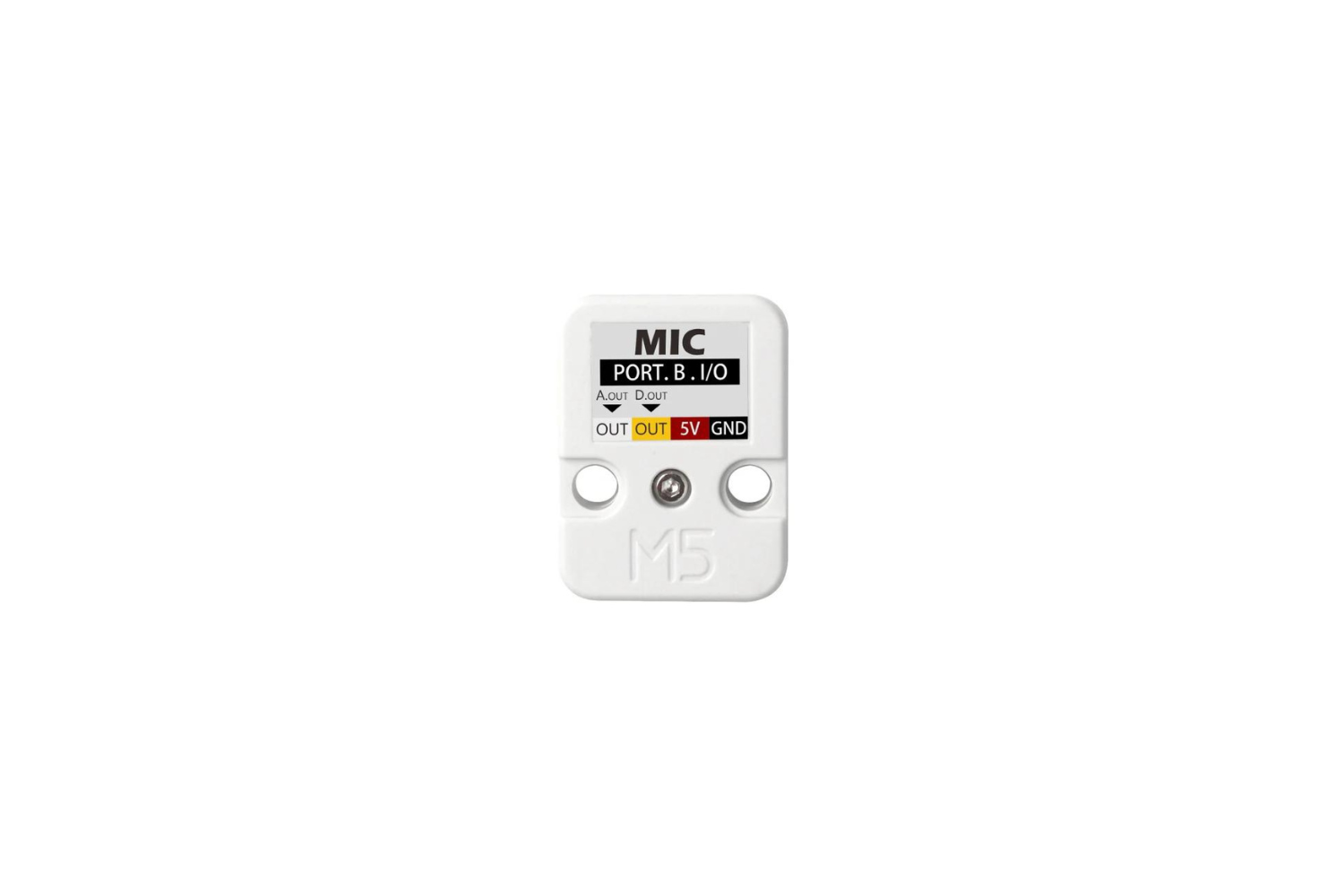
- Digital output and analog signal
- Built-in dual independent precision voltage comparator and adjustable resistor, threshold adjustable
- Development platform: Arduino, UIFlow (Blocky, Python)
- HY2.0-4P interface
- 2X LEGO™ compatible holes
Applications
- FFT Spectrum Display
- Audio Sample / Record
- Voice Switch