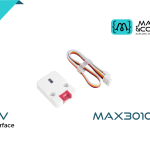
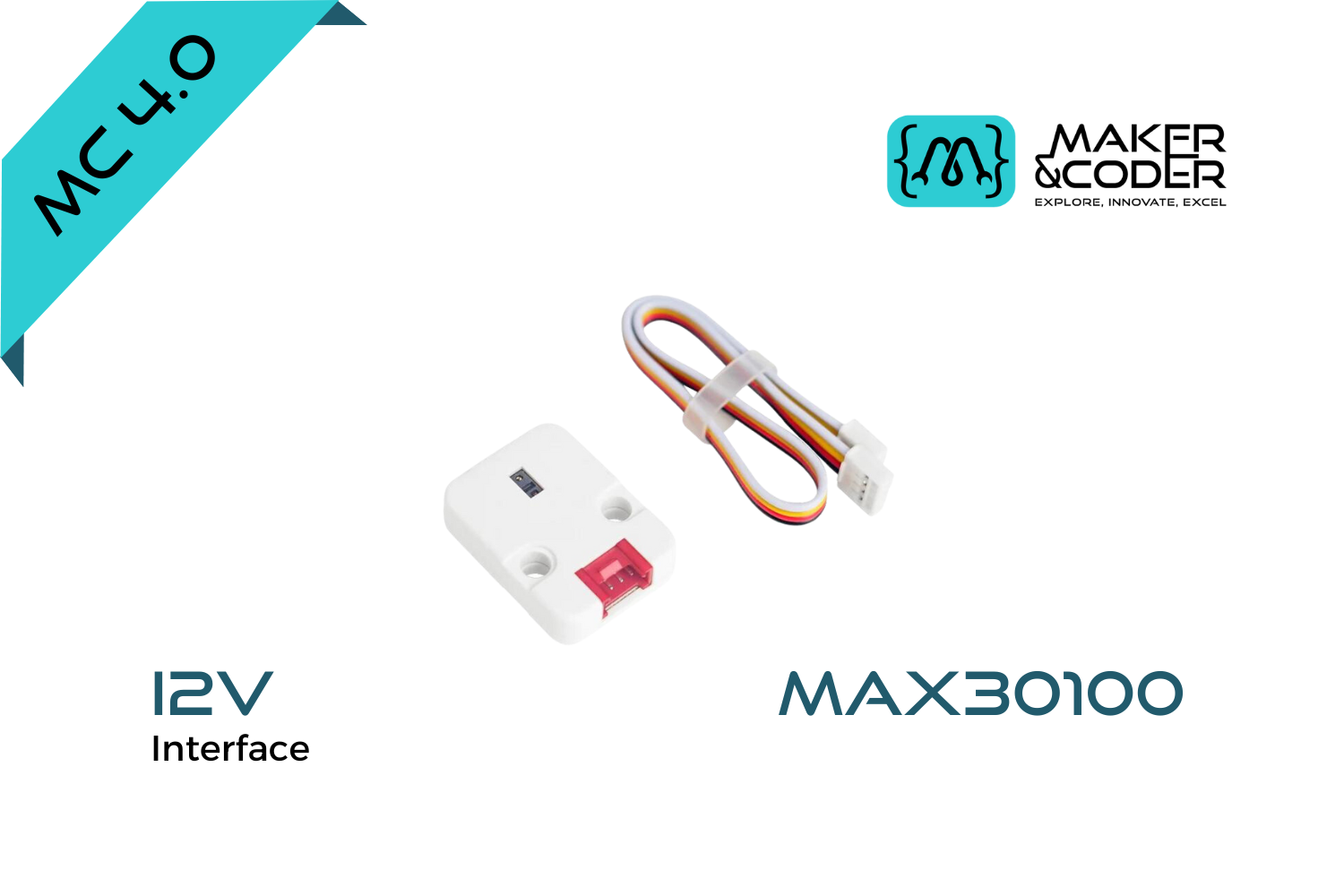
Mini Heart Rate Sensor (MAX30100) – Pulse Oximeter Sensor
Product Description The Mini Heart Rate Sensor (MAX30100) is a small but reliable module for measuring pulse and blood oxygen levels. This sensor is used in health tracking and biometric projects. It uses a combination of infrared and red lights along with a light detector to check heart rate and blood oxygen percentage (SpO₂) using […]
Maker & Coder Subscriber? Login to get your discount
Product Description
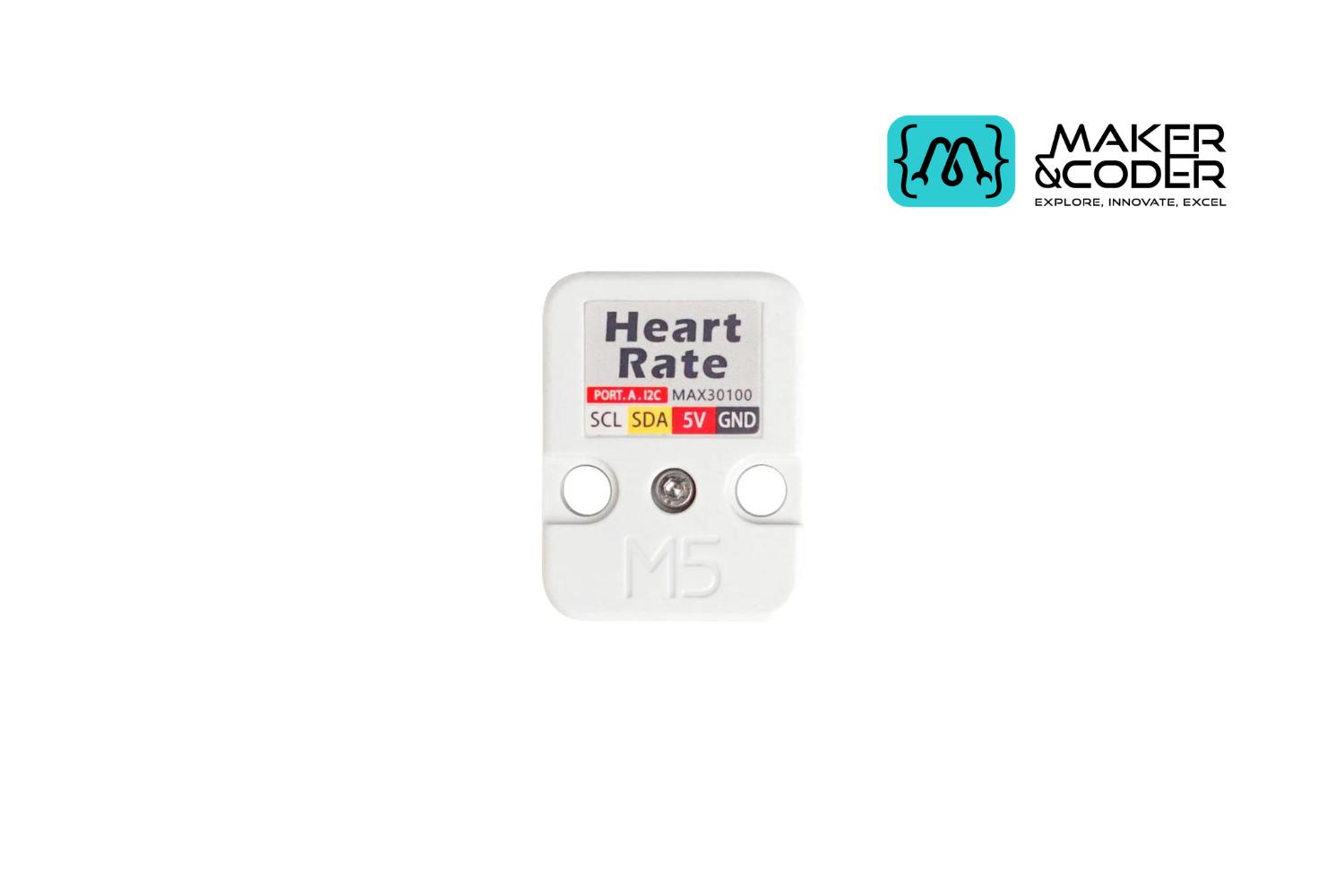
The Mini Heart Rate Sensor (MAX30100) is a small but reliable module for measuring pulse and blood oxygen levels. This sensor is used in health tracking and biometric projects. It uses a combination of infrared and red lights along with a light detector to check heart rate and blood oxygen percentage (SpO₂) using an optical sensing method.
Built with the MAX30100 chip, this sensor offers accuracy while keeping power usage low. This feature makes it a good fit for portable gadgets and devices you can wear. It uses I²C communication to connect with boards like Arduino, ESP32, or other similar ones. Its tiny size works well in smart devices, fitness trackers medical tools, DIY electronics, and even academic experiments.
The heart rate sensor module lets you set customizable sample rates and adjust LED currents. This gives you control to balance accuracy with energy use. Its low-power mode uses minimal energy when off, which helps save battery during long-term or constant monitoring.
You can use this pulse oximeter sensor to build wellness devices, health-focused kits, or tailored monitoring systems. It works well because it’s lightweight, reliable, and connects. Developers, students, and hobbyists can depend on it to experiment with biometric sensing.
Product Features
- Programmable Sample Rate and LED Current for Power Savings
- Ultra-Low Shutdown Current (0.7µA, typ)
- Advanced Functionality Improves Measurement Performance
- High Sample Rate Capability
- Fast Data Output Capability
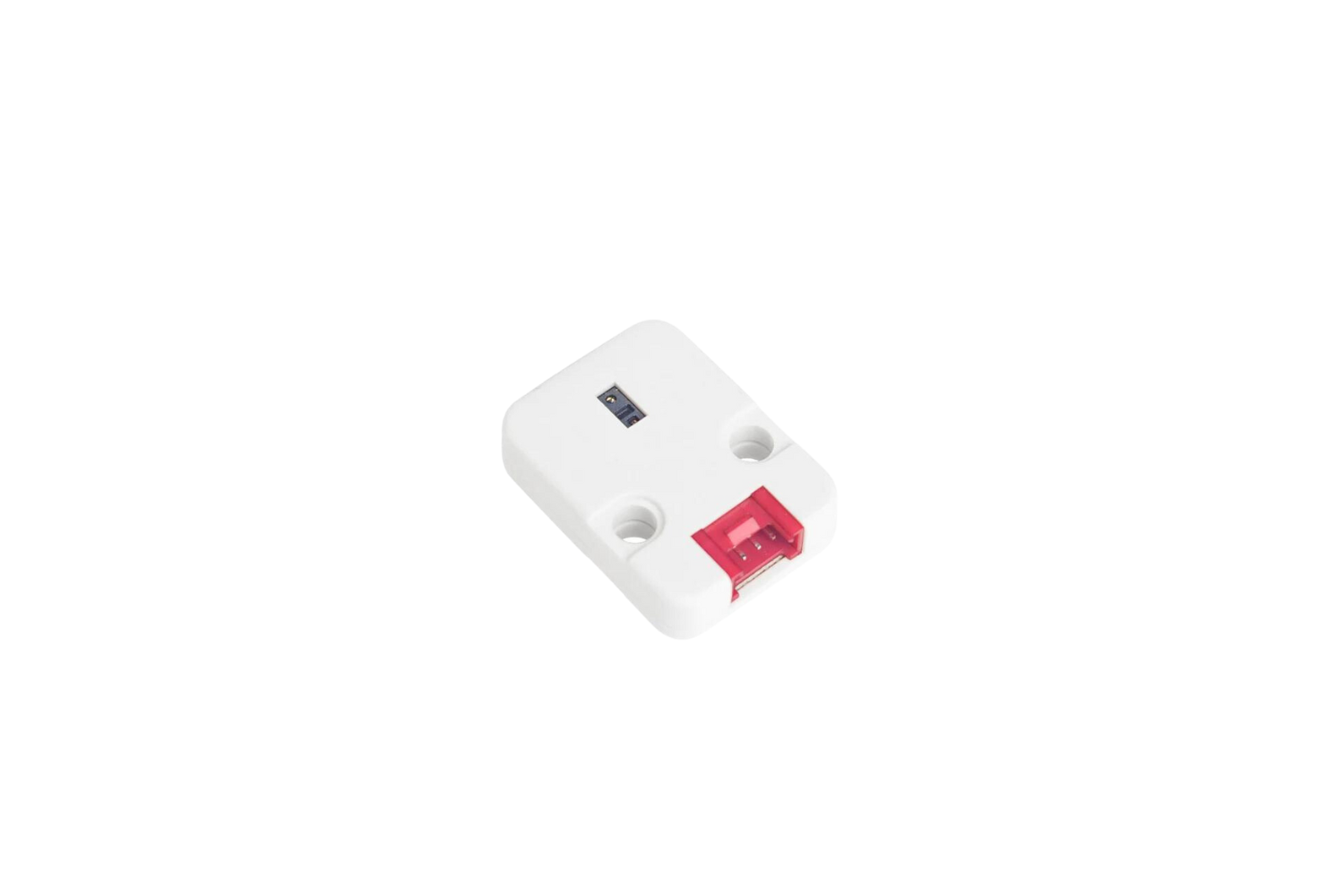
- GROVE interface
- Software Develop platform: Arduino
- Two Lego-compatible holes
Applications
- Heart Rate Test/Monitoring
Specifications
| Communication protocol | I2C:0x57 |
| Net weight | 5g |
| Gross weight | 18g |
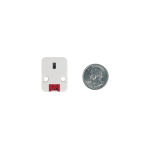
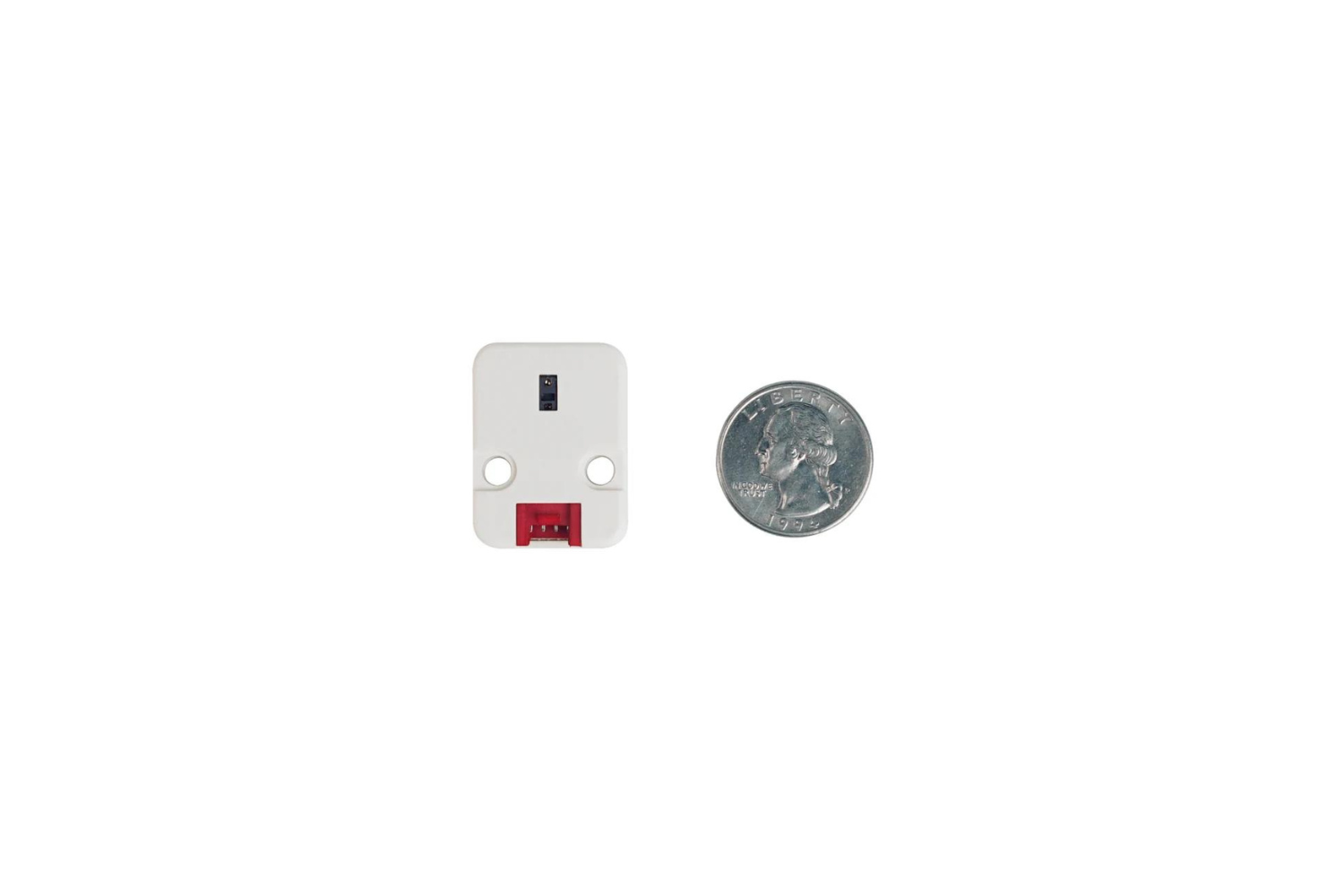
| Product Size | 32*24*8mm |
Frequently Asked Questions